The best psychological anime to start with are Monster, Paranoia Agent and Perfect Blue. Then branch out by taste: Evangelion for anxiety, Texhnolyze for bleakness, Mononoke for style. Below are 14 picks from 1995 to 2019, each with who it suits, an honest caveat and content notes.
How this list was chosen
"Psychological" is a loose label. Here it means stories where the real tension sits inside people: paranoia, guilt, identity, manipulation, the pressure of a group. Every title below is in the MyAnimeTime catalogue, so you can open its page from the link. Two famous names, Death Note and Serial Experiments Lain, are not in our catalogue yet, so they are not on the list. Most picks are adult-oriented, and many sit under seinen. New to that word? See what seinen means.
I mixed eras and tones on purpose: slow thrillers, surreal horror, cold sci-fi and a few that are only loosely "psychological" but earn their place. Spoilers are kept to premises. Content notes are flagged on each entry.
The 14 best psychological anime
1. Monster (2004, 74 episodes)
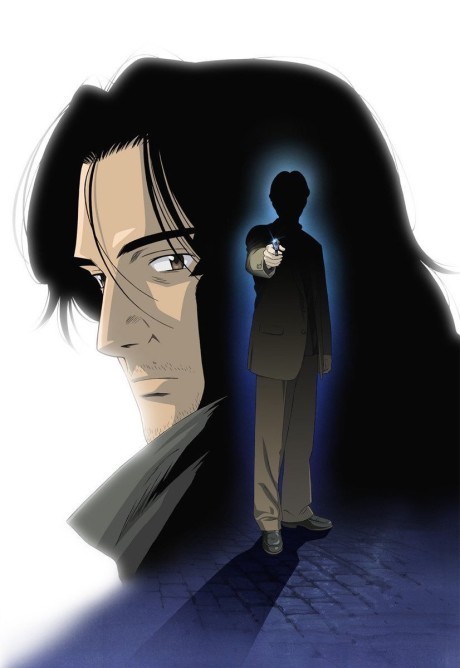
A brilliant surgeon in Germany saves a boy's life, then spends years hunting the man the boy becomes. Madhouse adapted Naoki Urasawa's manga as a patient, grounded thriller directed by Masayuki Kojima, and it ran on Nippon TV from April 2004 to September 2005. It is the best pick if you want psychology without any supernatural help. The honest caveat is length: 74 episodes with a slow middle. Monster suits patient viewers who like detective stories. Content notes: serial murder, child abuse and experimentation themes, no graphic sex.
2. Perfect Blue (1998, 81 minutes)
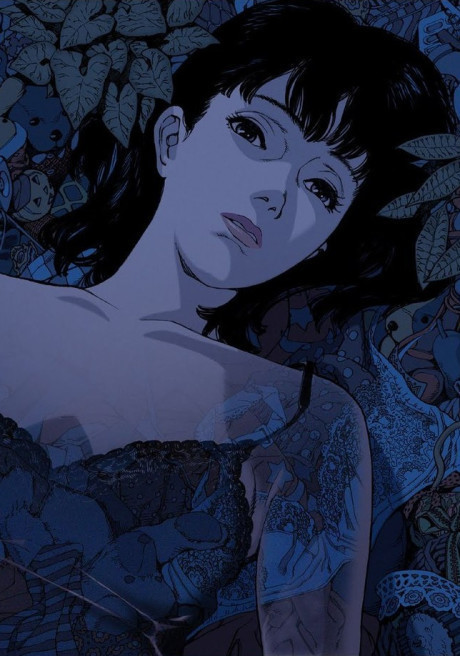
Satoshi Kon's debut film follows a pop singer who leaves her group to become an actress, while a stalker and a strange website blur what is real. It is short, precise and still hard to shake. Perfect Blue is the right choice for a first-time viewer with one evening to spare. Content notes: stalking, a violent scene that is distressing, and a sexual assault scene played as part of a film shoot. Not for anyone who wants comfort.
3. Paranoia Agent (2004, 13 episodes)
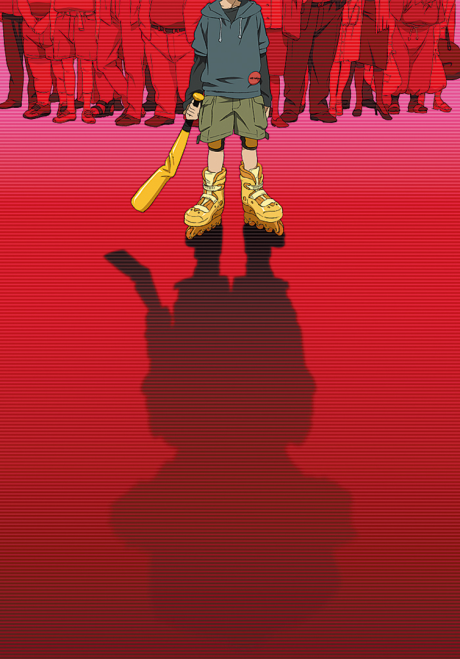
Kon again, this time for television. A kid with a bent golden bat attacks people in Tokyo, and each episode shifts to another person whose life is cracking. Susumu Hirasawa composed the music, and the show aired on Wowow from February to May 2004. Paranoia Agent is more satirical than frightening, and a couple of the middle episodes are deliberate detours. If you only have time for 13 episodes of anything, this is a strong use of them. Content notes: suicide themes, violence.
4. Neon Genesis Evangelion (1995, 26 episodes)
A teenager is called to pilot a giant machine for a father who barely speaks to him. Hideaki Anno directed, and the series ran on TV Tokyo from October 1995 to March 1996. The mecha fights are the setup; the real subject is depression and the fear of being close to people. Evangelion is the pick for viewers who like mood over plot. The last two episodes are abstract on purpose. The End of Evangelion (July 1997) redoes that ending as a film. Content notes: depression, suicide, mental breakdown, some sexual themes.
5. Texhnolyze (2003, 22 episodes)
The bleakest entry here. In a dying underground city called Lux, a disgraced fighter loses a limb and is rebuilt with experimental prosthetics, then gets caught between three factions. Hiroshi Hamasaki directed from a script by Chiaki J. Konaka, and it aired on Fuji TV in 2003. Dialogue is sparse and the story is told through images. Texhnolyze is for viewers who liked the quiet parts of other dark sci-fi. Twenty episodes aired; two more appeared on the home release. Content notes: heavy violence, body horror, nihilism.
6. Mononoke (2007, 12 episodes)
A nameless Medicine Seller travels Edo-era Japan to exorcise spirits born from human emotion, and each case turns into a character study of the people in the room. Toei Animation made it for Fuji TV's Noitamina block, directed by Kenji Nakamura, with a bold paper-textured look. It is the most beautiful show on this list and the most stylized, which some viewers find tiring. Mononoke suits people who like horror that works through color and ritual. Content notes: gore and disturbing mature themes in several arcs.
7. Parasyte: The Maxim (2014, 24 episodes)
A high school student's arm is taken over by a parasite named Migi, and the two form an uneasy partnership against others of its kind. Madhouse adapted Hitoshi Iwaaki's manga (Monthly Afternoon, 1989 to 1994) in 24 episodes from October 2014. The psychology is in how the boy changes and what it costs him. Parasyte is an easier entry than most picks here and a good bridge from action anime. Content notes: graphic gore.
8. Devilman Crybaby (2018, 10 episodes)
Masaaki Yuasa's update of Go Nagai's manga landed on Netflix worldwide on January 5, 2018. A shy teen merges with a demon and finds that humanity's response to the threat is worse than the threat. It is loud, fast and upsetting. Devilman Crybaby suits viewers who want a punch rather than a slow burn. Content notes: this is the most graphic title on the list, with extreme violence and sexual content. Skip it if that is a problem.
9. Bokurano (2007, 24 episodes)
Fifteen kids sign up for what they think is a game and become pilots of a giant robot that needs a heavy toll. Gonzo's anime, directed by Hiroyuki Morita, ran in 2007; the manga is by Mohiro Kitoh (Monthly Ikki, 2003 to 2009). The anime and manga diverge, and the show is slower and sadder than the premise sounds. Bokurano is the pick if Evangelion left you wanting something harder on its young cast. Content notes: death of child characters, a very heavy tone throughout.
10. Ghost in the Shell (1995, 82 minutes)
Mamoru Oshii's film, from Masamune Shirow's manga, sends cyborg agent Motoko Kusanagi after a hacker known as the Puppet Master. It asks what remains of a person once the body can be replaced. Production I.G released it in Japan on November 18, 1995. Ghost in the Shell is cooler and more philosophical than frightening. Its sequel, Innocence, is in the catalogue too. For the franchise's messy structure, see our Ghost in the Shell watch order. Content notes: violence and nudity (it was rated R in the US).
11. Akagi (2005, 26 episodes)
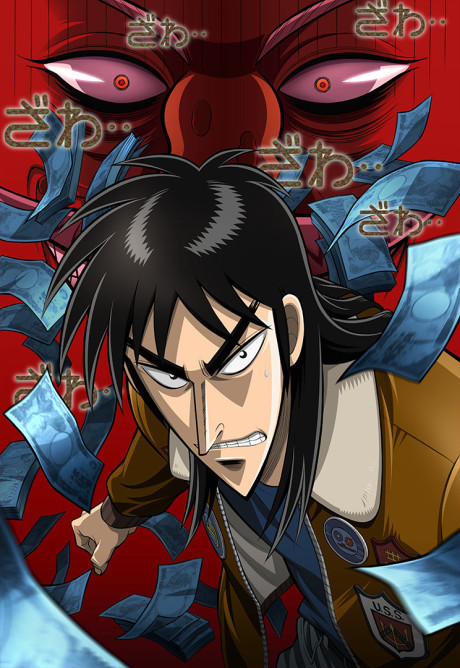
Nobuyuki Fukumoto, the author of Kaiji, wrote this tale of a 13-year-old who beats yakuza at mahjong, then returns years later to face a powerful old man. Madhouse's anime ran on Nippon TV from October 2005 to March 2006. You do not need to know the game; the pleasure is in the bluffing and the heavy narration. Akagi suits readers of the seinen picks guide who liked Kaiji. Content notes: gambling, violence between gangsters, mild.
12. RahXephon (2002, 26 episodes)
An art student in Tokyo becomes the pilot of a giant machine and slowly learns what the world around him actually is. Bones made it with Yutaka Izubuchi directing, and it ran on Fuji TV from January to September 2002. Reviewers compared it to Evangelion from the start. Its ending is clearer, though, and the protagonist is more active. RahXephon suits Evangelion fans who want a second helping with firmer answers. A compilation film, Pluralitas Concentio, exists, but it is heavily cut and confusing for newcomers. Content notes: mild.
13. Infinite Ryvius (1999, 26 episodes)
Students on a training ship are cut off from adults in space and form their own rough society. Sunrise made it, with Gorō Taniguchi directing and Yōsuke Kuroda writing; it ran on TV Tokyo from October 1999 to March 2000. This is group psychology: how a small community decides who matters. Infinite Ryvius is a good choice for fans of mecha who want something grimmer than the usual. Some of the middle is uneven. Content notes: bullying, violence among teenagers, death.
14. The Promised Neverland (2019, 12 episodes)
The most accessible title here. Orphans at a seemingly idyllic home learn what is really going on and plan an escape. CloverWorks made season 1 for Noitamina, directed by Mamoru Kanbe, and it aired from January to March 2019. The cat-and-mouse tension is the draw. The Promised Neverland is for first-time psychological viewers. Honest warning: the 11-episode second season in 2021 was widely criticized for rushing and simplifying the manga, so treat season 1 as the real recommendation. Content notes: peril to children, some violence.
Quick comparison
| Title | Year | Length | Tone | Best for |
|---|---|---|---|---|
| Monster | 2004 | 74 episodes | Slow thriller | Patient detective fans |
| Perfect Blue | 1998 | 81 min film | Surreal horror | One-evening watch |
| Paranoia Agent | 2004 | 13 episodes | Satire, unease | A short series |
| Evangelion | 1995 | 26 episodes | Anxious, abstract | Mood over plot |
| Texhnolyze | 2003 | 22 episodes | Bleak cyberpunk | Slow, quiet sci-fi |
| Mononoke | 2007 | 12 episodes | Stylized horror | Visual stylists |
| Parasyte | 2014 | 24 episodes | Action horror | Easy entry |
| Devilman Crybaby | 2018 | 10 episodes | Brutal, fast | Strong stomachs |
| Bokurano | 2007 | 24 episodes | Grim mecha | Eva fans |
| Ghost in the Shell | 1995 | 82 min film | Cool philosophical | Identity questions |
| Akagi | 2005 | 26 episodes | Gambling duels | Mind-game fans |
| RahXephon | 2002 | 26 episodes | Mystery mecha | Clearer than Eva |
| Infinite Ryvius | 1999 | 26 episodes | Group psychology | Mecha fans |
| The Promised Neverland | 2019 | 12 episodes (S1) | Cat and mouse | First timers |
Near misses
Gambling fans should also try Kaiji: Ultimate Survivor, covered in our seinen guide. Tokyo Ghoul is popular and tagged psychological, but its first season is the strongest part. If you like your dark fantasy with a heavy mental toll, start with the Berserk watch order.
Questions people ask
What does psychological anime mean?
It means stories driven by the characters' minds: fear, obsession, guilt, manipulation or a loss of identity. The danger is often internal or social rather than a monster, though some titles here, like Parasyte, mix both.
What is the best psychological anime for beginners?
Paranoia Agent for a short series, Perfect Blue for a film, and The Promised Neverland season 1 for the most approachable thriller. Monster is the best long watch.
Are psychological anime always dark?
Mostly. Almost every title here deals with violence, death or mental distress. Mononoke and Akagi are the least grim, and Devilman Crybaby and Texhnolyze the most.
What are some good dark horror anime?
Mononoke, Perfect Blue, Parasyte and Devilman Crybaby lean furthest into horror, in very different ways. Check the content notes before you start.
Which psychological anime is the shortest?
Perfect Blue runs 81 minutes and Ghost in the Shell 82 minutes. Among series, Devilman Crybaby has 10 episodes and Mononoke and The Promised Neverland season 1 have 12.
Sources
- Wikipedia, "Monster (manga)", accessed 4 November 2026: https://en.wikipedia.org/wiki/Monster_(manga)
- Wikipedia, "Perfect Blue", accessed 4 November 2026: https://en.wikipedia.org/wiki/Perfect_Blue
- Wikipedia, "Paranoia Agent", accessed 4 November 2026: https://en.wikipedia.org/wiki/Paranoia_Agent
- Wikipedia, "Neon Genesis Evangelion", accessed 4 November 2026: https://en.wikipedia.org/wiki/Neon_Genesis_Evangelion
- Wikipedia, "Texhnolyze", accessed 4 November 2026: https://en.wikipedia.org/wiki/Texhnolyze
- Wikipedia, "Mononoke (TV series)", accessed 4 November 2026: https://en.wikipedia.org/wiki/Mononoke_(TV_series)
- Wikipedia, "Parasyte", accessed 4 November 2026: https://en.wikipedia.org/wiki/Parasyte
- Wikipedia, "Devilman Crybaby", accessed 4 November 2026: https://en.wikipedia.org/wiki/Devilman_Crybaby
- Wikipedia, "Bokurano", accessed 4 November 2026: https://en.wikipedia.org/wiki/Bokurano
- Wikipedia, "Ghost in the Shell (1995 film)", accessed 4 November 2026: https://en.wikipedia.org/wiki/Ghost_in_the_Shell_(1995_film)
- Wikipedia, "Akagi (manga)", accessed 4 November 2026: https://en.wikipedia.org/wiki/Akagi_(manga)
- Wikipedia, "RahXephon", accessed 4 November 2026: https://en.wikipedia.org/wiki/RahXephon
- Wikipedia, "Infinite Ryvius", accessed 4 November 2026: https://en.wikipedia.org/wiki/Infinite_Ryvius
- Wikipedia, "The Promised Neverland", accessed 4 November 2026: https://en.wikipedia.org/wiki/The_Promised_Neverland
- MyAnimeTime catalogue entries (episode counts, studios, years) for every title linked above.
Last checked: 4 November 2026