The best seinen anime to start with are Monster for a slow thriller, Vinland Saga for historical drama, Berserk (1997) for dark fantasy and Ghost in the Shell: Stand Alone Complex for cyberpunk. This list has 15 picks, each with a plain note on tone, length and what to watch out for.
Image: Monster, from the MyAnimeTime catalogue
Seinen means anime and manga aimed at adult men, from magazines for readers aged roughly 18 and up. It does not mean explicit. It mostly means darker themes, slower stories and characters who have jobs, debts and regrets. If you want the full definition first, read what seinen means in anime, or browse the seinen category.
How we picked
We chose titles that come from adult-market magazines or clearly play to adult viewers, then mixed the tone so the list is not only violence. Every pick is in our catalogue, so you can click through. Streaming rights change by country, so availability varies by region and we do not list services here. Episode counts and dates come from the sources at the bottom.
The 15 at a glance
| Title | Year | Episodes | Tone | Gore level |
|---|---|---|---|---|
| Monster | 2004 | 74 | Cold thriller | Low |
| Vinland Saga | 2019, 2023 | 24 + 24 | Brutal, then reflective | High |
| Berserk (1997) | 1997 | 25 | Tragic dark fantasy | High |
| Ghost in the Shell: SAC | 2002 | 26 | Cyberpunk mystery | Medium |
| Planetes | 2003 | 26 | Hopeful hard sci-fi | Low |
| Mushi-Shi | 2005 | 26 | Quiet, episodic | Low |
| Black Lagoon | 2006 | 12 + 12 | Pulp crime action | High |
| Hellsing Ultimate | 2006 to 2012 | 10 | Gothic excess | Very high |
| Kaiji | 2007, 2011 | 26 + 26 | Gambling thriller | Low |
| Gantz | 2004 | 13 + 13 | Grim sci-fi horror | Very high |
| Texhnolyze | 2003 | 22 | Bleak, slow | High |
| Parasyte: The Maxim | 2014 | 24 | Body horror drama | High |
| Ajin: Demi-Human | 2016 | 26 (two seasons) | Thriller action | High |
| Dorohedoro | 2020 | 12 | Dark comedy fantasy | High |
| March Comes In Like a Lion | 2016, 2017 | 22 + 22 | Gentle drama | None |
Best seinen anime for thrillers and mysteries
Monster (2004, 74 episodes)
Madhouse adapted Naoki Urasawa's manga, serialized in Shogakukan's seinen magazine Big Comic Original, and the anime ran on Nippon TV from April 2004 to September 2005. A surgeon saves a boy and years later learns what he became. Pick it if you like patient mystery over action. Content notes: murder, manipulation of children, and neo-Nazi and eugenics themes, with little on-screen gore.
Ghost in the Shell: Stand Alone Complex (2002, 26 episodes)
Production I.G made this series with director Kenji Kamiyama, and it aired from October 2002 to October 2003. A second season, 2nd GIG, followed from January 2004. It mixes self-contained cases with a long conspiracy about cyber-crime and identity. Pick it if you like near-future politics and talk. Content notes: gunfights and some violence, nothing extreme. New to the franchise? Our Ghost in the Shell watch order covers the films and series.
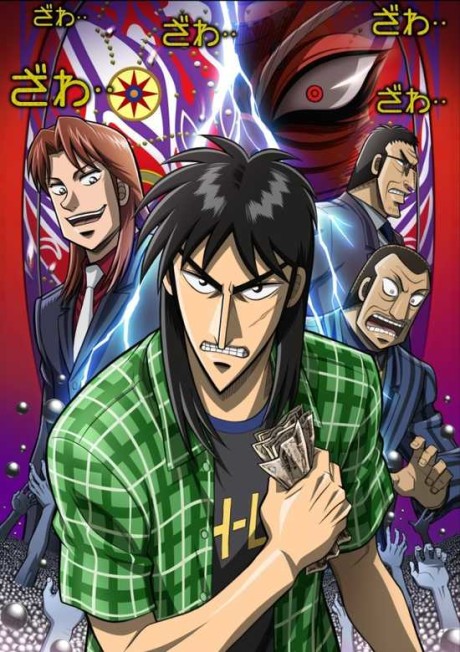
Kaiji: Ultimate Survivor (2007, 26 episodes)
Madhouse's Kaiji follows a man in debt forced into rigged gambling games. The manga by Nobuyuki Fukumoto has run in Kodansha's seinen magazine Weekly Young Magazine since 1996. The second series, Against All Rules, followed in 2011 with another 26 episodes. Pick it if you like tension and money stakes. Content notes: no heavy gore, but physical danger and humiliation.
Best seinen anime for dark fantasy, horror and action
Berserk (1997) (25 episodes)
OLM adapted the Black Swordsman and Golden Age arcs of Kentaro Miura's manga for Nippon TV, from October 1997 to April 1998. The manga began in 1989 and runs in Hakusensha's Young Animal; Miura died in May 2021 and it resumed in June 2022 under Kouji Mori's supervision. Pick it if you want grim fantasy with a tragic core. Content notes: graphic violence, and the story includes sexual violence. The Golden Age film trilogy (2012 and 2013) is the other way in. See our Berserk watch order.
Hellsing Ultimate (2006 to 2012, 10 episodes)
Kouta Hirano's manga ran in Young King OURs from 1997 to 2008. The 10-episode OVA was released between February 2006 and December 2012 by three studios, and it is described as more faithful to the manga than the 2001 TV series from Gonzo. Pick it if you want stylish, over-the-top vampire action. Content notes: extreme gore throughout.
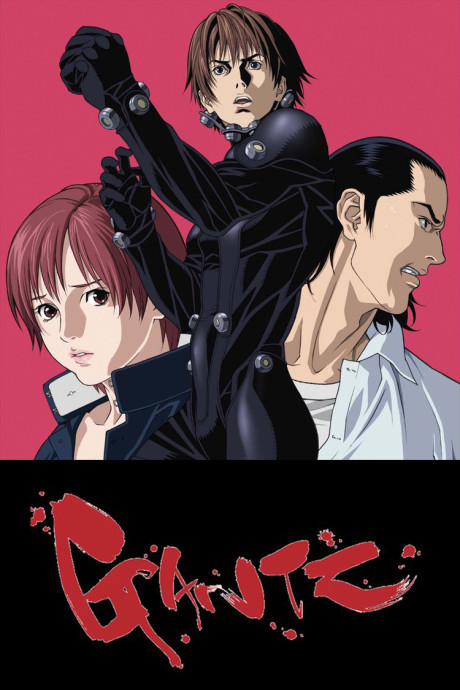
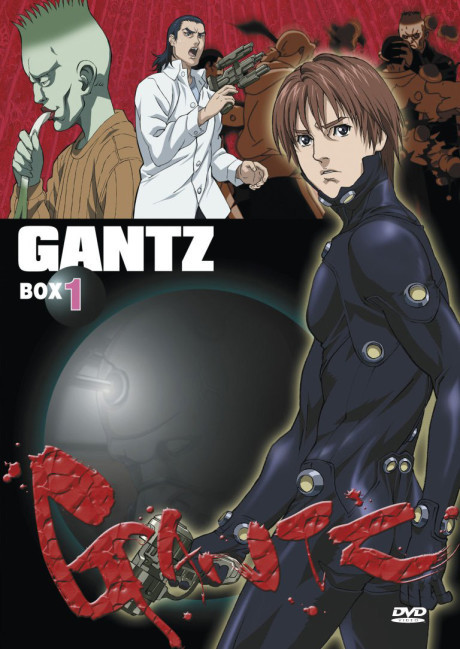
Gantz (2004, 26 episodes in two parts)
Gonzo adapted Hiroya Oku's manga from Weekly Young Jump: 13 episodes of Gantz and 13 of Gantz 2nd Stage, both in 2004. People who die are pulled into a game of hunting aliens. Pick it only if you want pulpy horror. Content notes: heavy violence, gore and nudity. This is for adults only.
Black Lagoon (2006, 12 + 12 episodes)
Madhouse adapted Rei Hiroe's manga from Shogakukan's Monthly Sunday Gene-X. A salaryman is kidnapped and joins a pirate crew of smugglers in the fictional port city of Roanapur, set in Southeast Asia. Season 1 aired April to June 2006, the second season from October 2006, and a 5-episode OVA followed in 2010 and 2011. Pick it for fast crime action with sharp dialogue. Content notes: heavy gunplay, crime and crude language.
Dorohedoro (2020, 12 episodes)
MAPPA's adaptation of Q Hayashida's manga aired January to March 2020. A man with a reptile head hunts for the sorcerer who cursed him. The manga began in Monthly Ikki in 2000 and finished in 2018 in Monthly Shonen Sunday, so labels vary, but the tone is adult. Pick it if you like weird, dirty dark comedy. Content notes: gore and bodily horror played for laughs.
Parasyte: The Maxim (2014, 24 episodes)
Hitoshi Iwaaki's manga ran in Kodansha's seinen magazines from 1989 to 1994. Madhouse's 24-episode anime, directed by Kenichi Shimizu, aired from October 2014 to March 2015. Alien parasites take over human bodies and a student ends up sharing his with one. Pick it if you like horror that asks what makes someone human. Content notes: body horror and strong gore.
Ajin: Demi-Human (2016, two seasons)
Polygon Pictures adapted Gamon Sakurai's manga from Kodansha's seinen magazine Good! Afternoon. Season 1 aired January to April 2016 and the second season followed in October 2016. Humans who cannot die are hunted for experiments. Pick it for a fast thriller. Content notes: violence and human experimentation.
Best seinen anime for history and drama
Vinland Saga (2019 and 2023, 24 + 24 episodes)
Makoto Yukimura's manga started in a shonen magazine in 2005 and moved to the seinen magazine Monthly Afternoon that December. Season 1 (Wit Studio) aired July to December 2019, and Season 2 (MAPPA) ran January to June 2023. It begins as a Viking revenge story and becomes a story about what violence costs. Content notes: battlefield violence, slavery and trauma. Season 2 is slower, so give it time.
March Comes In Like a Lion (2016, 22 episodes)
Chica Umino's manga runs in Hakusensha's Young Animal, and Shaft made two 22-episode seasons from October 2016 to March 2017 and October 2017 to March 2018. It is about a lonely young shogi professional. Pick it if you want a calm, emotional drama. Content notes: depression, grief and bullying; no gore.
Best seinen anime for sci-fi and quiet stories
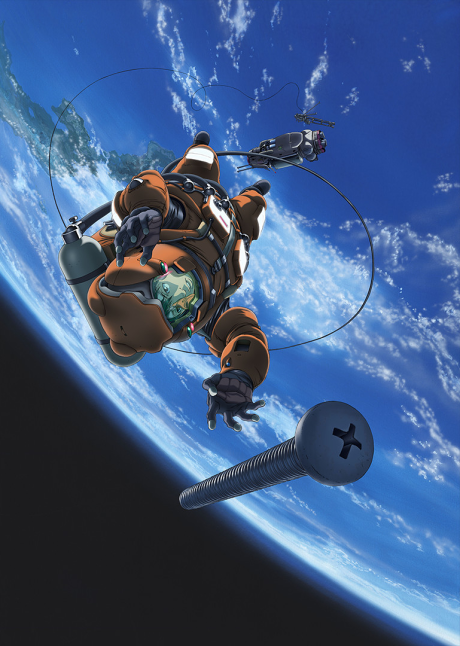
Planetes (2003, 26 episodes)
Sunrise made this show about a debris crew in the year 2075, directed by Goro Taniguchi. It aired on NHK BS2 from October 2003 and comes from Makoto Yukimura's manga in Kodansha's Morning. Pick it if you want grounded space work and heart. Content notes: loss and death, but no graphic content.
Mushi-Shi (2005, 26 episodes)
Artland's series, directed by Hiroshi Nagahama, aired October 2005 to June 2006. It adapts Yuki Urushibara's manga from Kodansha's Afternoon magazines. A traveler deals with strange life forms called mushi, one story per episode. A 20-episode follow-up, Next Passage, aired in 2014. Pick it to wind down. Content notes: mild, with some sad stories.
Texhnolyze (2003, 22 episodes)
This is an original Madhouse series, not a manga adaptation. It is set in the decaying underground city of Lux and aired on Fuji TV in 2003. It is slow and silent on purpose, so we are not claiming an official demographic. Pick it if you like bleak, atmospheric science fiction. Content notes: strong violence, body horror and sexual violence. This is the hardest pick here.
Which one should you start with?
- Want a mystery: Monster.
- Want something short: Hellsing Ultimate (10 episodes), Dorohedoro (12) or Black Lagoon (12).
- Want no gore at all: March Comes In Like a Lion, Planetes, Mushi-Shi or Kaiji.
- Want dark fantasy: Berserk (1997), then Vinland Saga.
- Want the hardest, strangest viewing: Texhnolyze or Gantz.
Names that come up often on other lists, such as Psycho-Pass and Golden Kamuy, are not on our site yet.
Seinen anime in the Philippines and Southeast Asia
Interest is real and growing outside the US. In clickstream estimates for 2 November 2026, "seinen" is searched about 5,300 times a month in the Philippines and about 4,600 in Indonesia, and "seinen anime" about 1,200 and 1,300. Vinland Saga and Berserk lead the title searches in both markets. Availability varies by region, so check your local services before you plan a watch.
Six picks in more depth
These six come up most often when people ask where to start. Here is how each one plays, what to expect, and a suggested order.
Monster: the thriller to start with
Monster is a 74-episode series from Madhouse, directed by Masayuki Kojima, that ran on Nippon TV from April 2004 to September 2005. It adapts Naoki Urasawa's manga, which was serialized in Shogakukan's seinen magazine Big Comic Original. A brilliant surgeon saves a boy's life and years later learns what that boy became.
Why it is seinen: it treats crime, guilt and responsibility as adult problems. There is no power system and no training arc, just a man chasing a killer across Europe while the police chase him.
Tone and pace: patient, quiet and built on dread. Episodes end on small hooks rather than cliffhangers, so it rewards steady viewing more than binging.
Content notes: murder, psychological manipulation of children, and neo-Nazi and eugenics themes. Little on-screen gore, but the subject matter is heavy.
Where to start: episode 1. It is one continuous story with no seasons to sort out.
If you liked Berserk or Ghost in the Shell: this is closer to the investigative side of Ghost in the Shell: Stand Alone Complex than to Berserk. Expect conspiracy and moral weight, not action.
Vinland Saga: revenge, then something harder
Vinland Saga follows Thorfinn, a boy raised on revenge in the Viking age. Makoto Yukimura's manga began in Weekly Shonen Magazine in 2005 and moved to the seinen magazine Monthly Afternoon that December, where it ran until July 2025. The anime has two seasons: Season 1 (Wit Studio, 24 episodes, July to December 2019) and Season 2 (MAPPA, 24 episodes, January to June 2023). Shuhei Yabuta directed both.
Why it is seinen: it starts as a war story and becomes an argument about violence, slavery and what a person owes the people they hurt. That turn is the point of the series.
Tone and pace: Season 1 is fast and bloody. Season 2 is slower, quieter and more interior, and some viewers who loved Season 1 find it a change of gear. Both are worth finishing together.
Content notes: battlefield violence, slavery, nightmares and trauma. Critics have noted that some viewers may find the violence off-putting.
Where to start: Season 1, episode 1, then Season 2. Do not skip to Season 2, because it depends on who Thorfinn was.
If you liked Berserk: this is the closest match here in grim medieval mood, with more hope in it. Berserk (1997) is darker and more fantastical.
Planetes: grounded space drama
Planetes is a 26-episode Sunrise series directed by Goro Taniguchi, first aired on NHK BS2 from October 2003. It follows the crew of a debris collection ship in the year 2075, clearing junk that threatens satellites and spacecraft. The source is Makoto Yukimura's manga from Kodansha's seinen magazine Morning; the anime won the Seiun Award for best science fiction in 2005.
Why it is seinen: its drama is about jobs, money, ambition and grief, set among adults who are tired and still trying.
Tone and pace: warm, humane and steady, with some sad turns. It is the gentlest pick on this list and the easiest to recommend to a friend who is nervous about dark anime.
Content notes: death and loss, the mildest on this list, with no graphic content to speak of.
Where to start: episode 1; it is a single run.
If you liked Ghost in the Shell: it shares the near-future setting and thoughtful tone, minus the cyberpunk noir.
Texhnolyze: the bleak one
Texhnolyze is an original 22-episode Madhouse series (not a manga adaptation), directed by Hiroshi Hamasaki with scripts led by Chiaki J. Konaka. It aired on Fuji TV from April to September 2003; 20 episodes were broadcast and 2 appeared on the DVD release. It is set in the crumbling underground city of Lux, where a disgraced pit fighter loses an arm and a leg and receives experimental prosthetics.
Why it counts as seinen: there is no manga to point to, so this is a judgment on tone and audience. It is slow, adult, ambiguous and uninterested in comfort. Wikipedia does not label it seinen, and we are not claiming an official demographic.
Tone and pace: experimental and deliberate. Critics quoted on the show's Wikipedia page say it shows you most of the story instead of telling it, and its lead is largely silent. Expect atmosphere over exposition.
Content notes: graphic violence, dismemberment, body horror, murder, suicide and a forced sexual encounter. This is the strongest warning on the list.
Where to start: episode 1, with patience. If the first three episodes do not hold you, it will not change.
If you liked Ghost in the Shell: it asks similar questions about the body and identity, but with silence and decay instead of action set pieces.
Kaiji: debt, gambling and sweat
Kaiji: Ultimate Survivor and Kaiji: Against All Rules are Madhouse series directed by Yuzo Sato, each 26 episodes on Nippon TV. Ultimate Survivor ran from October 2007 to April 2008, Against All Rules from April to September 2011. The manga is by Nobuyuki Fukumoto and has been serialized in Kodansha's seinen magazine Weekly Young Magazine since 1996.
Why it is seinen: the villains are lenders and the rich, the stakes are debt and class, and the games are invented to make poverty feel like a trap.
Tone and pace: overwrought on purpose. Every bet is an ordeal, with long inner monologue and wide-eyed panic. It is entertainment with a bleak view of money.
Content notes: gambling and debt as the engine, plus physical danger and humiliation. Not graphic compared with Texhnolyze or Gantz.
Where to start: Ultimate Survivor first. Against All Rules adapts the second manga series, so watch them in release order.
If you liked Berserk: not really a match. Try it if you liked the cruelty of a rigged system in Dorohedoro or the pulp edge of Black Lagoon.
Gantz: the violent, pulpy one
Gantz is a Gonzo series directed by Ichiro Itano, adapted from Hiroya Oku's manga in Shueisha's seinen magazine Weekly Young Jump. Two students die trying to save a man on subway tracks and are recruited into a deadly game of hunting alien targets. The anime is 26 episodes in two parts: Gantz (13 episodes, April to June 2004) and Gantz 2nd Stage (13 episodes, August to November 2004).
Why it is seinen: it uses gore, nudity and morbid humor in ways a teen magazine would not.
Tone and pace: fast, nasty and often bleak. It plays like a horror-action game show.
Content notes: heavy violence and gore. Reviewers call the anime very violent, and its original Fuji TV broadcast censored scenes with violence and nudity, while the home releases were uncut. Reportedly only 11 of the 13 first-part episodes aired on Fuji TV. This is for adults only.
Where to start: Gantz, then Gantz 2nd Stage. According to MyAnimeList, the second part diverts from the manga midway and has an original ending, so it does not cover the whole manga story.
If you liked Berserk or Hellsing: Gantz shares the shock violence. Hellsing Ultimate is the closer comparison for stylish excess.
Watch order and where to start
- Vinland Saga: Season 1 (24 episodes, 2019), then Season 2 (24 episodes, 2023).
- Kaiji: Ultimate Survivor (26 episodes, 2007 to 2008), then Against All Rules (26 episodes, 2011).
- Gantz: Gantz (13 episodes, 2004), then Gantz 2nd Stage (13 episodes, 2004).
- Monster, Planetes and Texhnolyze: single runs, so start at episode 1.
Questions people ask
What does seinen mean in anime?
Seinen is a label for stories aimed at young adult men, based on the magazine they ran in. It usually brings darker themes and slower pacing, but it does not mean explicit.
What is the difference between seinen and shonen?
Shonen targets teenage boys. Seinen covers many of the same genres with more mature stories, and the label comes from the publisher's market, not from the exact age of the reader.
Is seinen anime always violent?
No. March Comes In Like a Lion, Planetes and Mushi-Shi have almost no violence. Gantz, Hellsing Ultimate and Texhnolyze have a lot, so check the content notes above.
Which seinen anime should a beginner watch first?
Monster if you like thrillers, Vinland Saga for drama and action, or Planetes if you want something gentler.
Is Berserk seinen?
Yes. The manga runs in Hakusensha's Young Animal, a seinen magazine. The 1997 anime adapts its early arcs.
What are the big three of seinen anime?
There is no official list. Fans most often name Berserk, Monster and Vinland Saga, but the answer changes by who you ask.
What is the best seinen anime to start with?
Monster if you like suspense, Vinland Saga if you like history and action, Planetes if you want something gentle. All three are finished stories.
Is seinen anime always dark?
No. Seinen means it was aimed at adult men, not that it is grim. Planetes is warm, and Mushishi is quiet and melancholy.
Is Gantz worth watching?
If you want violent sci-fi horror and accept an anime-original ending in the second part, yes. If you want a complete adaptation, the manga goes further.
Is Vinland Saga finished?
The manga finished in July 2025 after about 20 years. The anime covers two seasons, and we found no confirmed Season 3 on the pages we checked.
Is Monster too slow?
It is deliberately paced across 74 episodes. If you want speed, choose Gantz or Kaiji instead.
Sources
- Wikipedia, "Seinen manga", accessed 5 November 2026: en.wikipedia.org/wiki/Seinen_manga
- Wikipedia, "Monster (manga)" and "Monster (TV series)", accessed 5 November 2026: en.wikipedia.org/wiki/Monster_(manga)
- Wikipedia, "Vinland Saga (TV series)", accessed 5 November 2026: en.wikipedia.org/wiki/Vinland_Saga_(TV_series)
- Wikipedia, "Berserk (1997 TV series)" and "Berserk (manga)", accessed 5 November 2026: en.wikipedia.org/wiki/Berserk_(1997_TV_series)
- Wikipedia, "Ghost in the Shell: Stand Alone Complex", accessed 5 November 2026: en.wikipedia.org/wiki/Ghost_in_the_Shell:_Stand_Alone_Complex
- Wikipedia, "Hellsing", accessed 5 November 2026: en.wikipedia.org/wiki/Hellsing
- Wikipedia, "Black Lagoon", accessed 5 November 2026: en.wikipedia.org/wiki/Black_Lagoon
- Wikipedia, "Parasyte", "Ajin: Demi-Human", "Dorohedoro", "Mushishi" and "March Comes in Like a Lion", accessed 5 November 2026: en.wikipedia.org/wiki/Parasyte
- Wikipedia, "Planetes", "Texhnolyze", "Kaiji" and "Gantz", accessed 5 November 2026,.
- DataForSEO Labs, keyword clickstream estimates for the United States, Philippines and Indonesia, 2 November 2026.
- Wikipedia, "Vinland Saga (manga)": magazines, serialization 2005 to 25 July 2025. en.wikipedia.org/wiki/Vinland_Saga_(manga)
- Wikipedia, "Planetes": Sunrise, 26 episodes, Morning magazine, Seiun Award 2005. en.wikipedia.org/wiki/Planetes
- Wikipedia, "Texhnolyze": Madhouse, 22 episodes, April to September 2003, content and style notes. en.wikipedia.org/wiki/Texhnolyze
- Wikipedia, "Kaiji (manga)": both anime series, Weekly Young Magazine. en.wikipedia.org/wiki/Kaiji_(manga)
- Wikipedia, "Gantz" and "List of Gantz episodes": staff, 26 episodes in two parts, broadcast censorship. en.wikipedia.org/wiki/Gantz
- MyAnimeList, "Gantz 2nd Stage": original ending note, 13 episodes, August to November 2004. myanimelist.net/anime/395
- DataForSEO Labs clickstream data and Google results for "best seinen anime", United States, 3 November 2026 (search demand only).
Last checked: 5 November 2026