Anime seasons are four three-month broadcast blocks named by the month a show premieres: Winter is January to March, Spring is April to June, Summer is July to September, and Fall is October to December. The year in the name is the premiere year, so a show that starts in January 2027 belongs to Winter 2027.
The four anime seasons at a glance
Most anime databases and seasonal charts group new shows by the quarter in which they start airing. The calendar year starts with Winter, so the order is Winter, Spring, Summer, Fall. Here is each season with a real example from our catalogue.
| Season | Premieres in | Example | Premiere |
|---|---|---|---|
| Winter | January to March | Dorohedoro | 13 January 2020, so Winter 2020 |
| Spring | April to June | 86 Eighty-Six | 11 April 2021, so Spring 2021 |
| Summer | July to September | Tokyo Ghoul | 4 July 2014, so Summer 2014 |
| Fall | October to December | One-Punch Man | 5 October 2015, so Fall 2015 |
"Fall" is the American word and "Autumn" is the British one. Both mean October to December, and you will see Fall far more often on anime sites.
Why the season depends on the premiere date
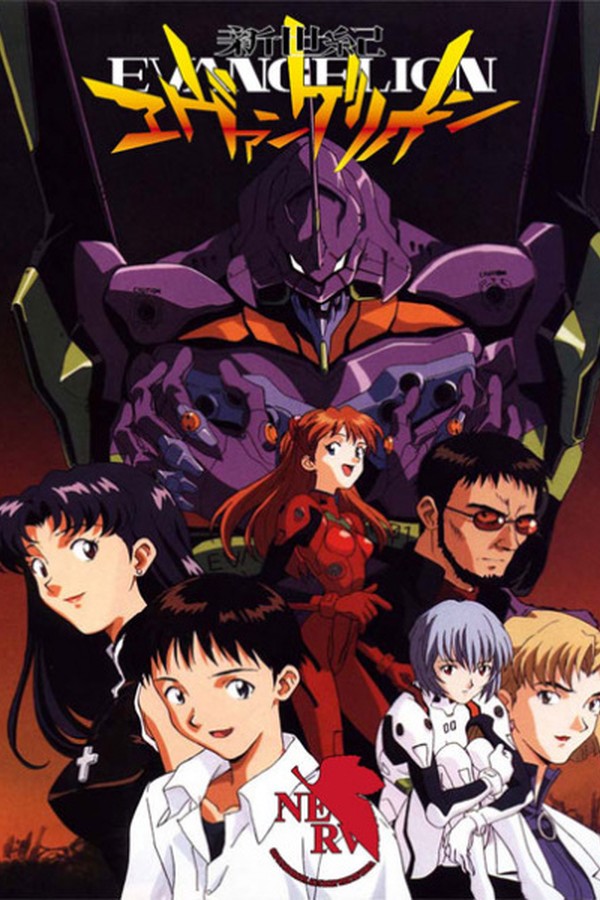
A show gets its season from the month it starts, not the month it ends. That is why a long series can be tied to a season it spent only a few weeks in. Neon Genesis Evangelion premiered on 3 October 1995 and finished on 27 March 1996. It aired across two seasons, but it is a Fall 1995 anime.
It also explains why Winter 2027 is not the same thing as "this winter" in 2026. We are in November 2026 right now, so the airing season is Fall 2026 and the next one is Winter 2027, which starts in January. Our Fall 2026 anime hub covers what is airing now, and the Winter 2027 anime hub lists the mecha, seinen and dark titles we are following next.
Season, cour and "Season 2" are three different things
The word "season" gets used for two separate ideas, and that causes most of the confusion.
- Broadcast season is the calendar block above, such as Fall 2026.
- Cour is a broadcast run of roughly one season, usually 12 or 13 episodes. A one-cour show fills one block. The term is used loosely, so treat it as a rule of thumb, not a standard.
- Season 1, Season 2, Season 3 is a franchise label. It numbers the story, and it has nothing to do with the calendar.
Here is how those line up on real titles, using the episode counts and dates that AniList lists.
- Hellsing (2001) ran 13 episodes from 11 October 2001 to 17 January 2002. One cour, Fall 2001.
- Dorohedoro ran 12 episodes from 13 January 2020. One cour, Winter 2020.
- Neon Genesis Evangelion has 26 episodes, which is two cours of about 13.
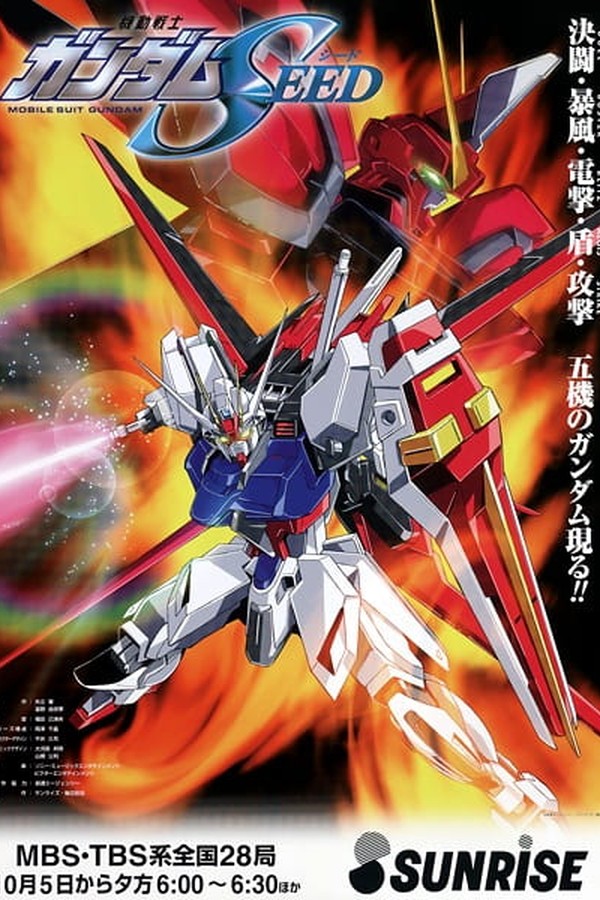
- Mobile Suit Gundam SEED has 50 episodes, from 5 October 2002 to 27 September 2003. That is about four cours in a row.
If you are planning a watch order for a long franchise, our guides for Evangelion, Gundam and Hellsing sort out which "season" is which.
Split cours and breaks between halves
Some series air in two parts with a gap, and each part lands in a different broadcast season. The same series can then carry two season labels.
- 86 Eighty-Six aired 11 episodes from 11 April 2021 (Spring 2021). 86 Eighty-Six Part 2 followed with 12 episodes from 3 October 2021 (Fall 2021).
- Code Geass: Lelouch of the Rebellion began on 6 October 2006 and AniList lists its 25 episodes as ending on 28 July 2007. The sequel Code Geass R2 premiered on 6 April 2008, so it is a Spring 2008 show. Our Code Geass watch order shows how to line up the series, recaps and films.
When a site says a show is "Fall 2021", it means the part that premiered then. A second half that starts three months later usually gets its own seasonal listing.
Where databases disagree
The January to March rule is a convention, not a law, and databases phrase it differently. AniList describes its WINTER value as shows that "predominantly started airing between January and March", and its other seasons follow the same quarters. LiveChart sorts its charts the same way, with pages such as Winter 2027 and Fall 2026. Some TV listings and older forum posts use shifted months, such as December to February for winter, so a title on the edge can show up in a different season.
The safe habit is to check the premiere date. If a show premieres on 3 January, it is Winter. If it premieres on 28 December, some sites will call it Fall and others will wait for Winter.
The next four seasons on the calendar
Because the names follow the calendar, you can work out any upcoming season in advance. From November 2026 the order is:
- Fall 2026, October to December 2026, airing now.
- Winter 2027, January to March 2027, the next one to start.
- Spring 2027, April to June 2027.
- Summer 2027, July to September 2027.
Studios announce premieres months ahead, so a show announced for "January 2027" is already a Winter 2027 title before it airs. That is the reason seasonal hubs and preview guides are published before the first episode.
How to use this when you pick what to watch
- Searching for new shows: use the season and year together, for example "Winter 2027 anime".
- Reading a rating or recommendation: check the season to see how old the show is. Fall 2015 and Fall 2025 are ten years apart.
- Following a sequel: match the franchise label (Season 2) to the broadcast season so you know whether a break is coming.
- Looking for mature or mecha shows: browse our mecha and seinen pages, or read what seinen means.
Questions people ask
What months are the anime seasons?
Winter is January to March, Spring is April to June, Summer is July to September, and Fall is October to December.
Which anime season is it now?
As of 4 November 2026 it is Fall 2026. Winter 2027 begins in January 2027.
Why is January to March called Winter 2027 and not Spring 2027?
The name follows the calendar quarter. January to March is Winter, and April to June is the following Spring. The year is the premiere year.
What is a cour in anime?
A cour is a broadcast run of about one season, usually 12 or 13 episodes. A "two-cour" series runs about 24 to 26 episodes.
Is "Season 2" the same as the next anime season?
No. "Season 2" numbers the story. The next broadcast season is the next calendar block, and a sequel can arrive a year or more later.
Can one anime belong to two seasons?
It is listed under the season it premiered in. A split series, such as 86 Eighty-Six, has a separate listing for each part.
Sources
- AniList GraphQL API, MediaSeason enum description and media records for Hellsing, Dorohedoro, Tokyo Ghoul, One Punch Man, 86 Eighty-Six, 86 Eighty-Six Part 2, Code Geass, Code Geass R2, Neon Genesis Evangelion and Gundam SEED, queried 4 November 2026: Hellsing, Dorohedoro, Tokyo Ghoul, One Punch Man, 86 Eighty-Six, 86 Eighty-Six Part 2, Code Geass, Neon Genesis Evangelion, Gundam SEED.
- LiveChart.me, "Winter 2027 Anime Chart, Television", livechart.me/winter-2027/tv, checked 4 November 2026.
- LiveChart.me, "Fall 2026 Anime Chart, Television", livechart.me/fall-2026/tv, checked 4 November 2026.
Last checked: 4 November 2026